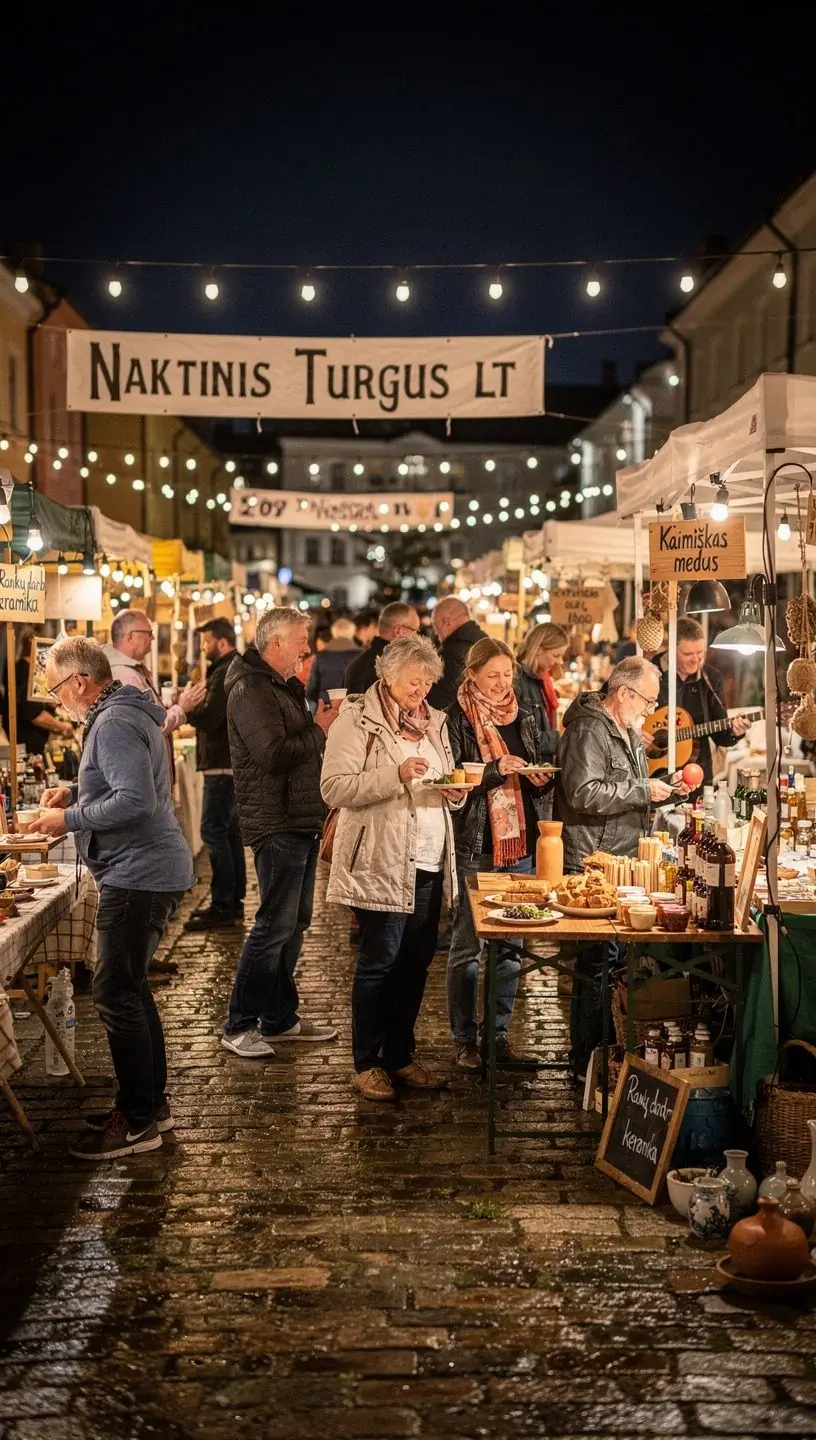
The Role of Community in Event Planning
In the realm of event planning, the community plays a pivotal role that extends beyond mere attendance. Engaging with local audiences and understanding their needs can enhance the success of events significantly. This article explores how community involvement shapes event planning and why it is vital for creating meaningful experiences.
Understanding the Importance of Community
According to research, events that are tailored to the community's interests can see increased participation rates by as much as 30-50%. This happens because when planners engage with community members, they gather insights that help in crafting experiences that resonate. This approach not only fosters attendance but also builds a sense of ownership and pride among locals.

"Communities thrive when their voices are heard, and this principle is crucial in planning successful events." - Local Event Planner
How Community Feedback Influences Event Success
Engaging with community members can take various forms, including surveys, focus groups, and social media interactions. These methods allow planners to gather valuable feedback on potential event themes, locations, and activities. In many cases, events that actively seek community input report higher satisfaction rates among attendees.
Effective Strategies for Community Engagement
- Surveys: Conducting surveys can provide quantitative data on what the community wants from upcoming events. This typically requires a few weeks of outreach to ensure comprehensive responses.
- Focus Groups: Organizing focus groups can yield in-depth qualitative insights, although this may involve considerable time and effort to coordinate.
- Social Media Polls: Utilizing social media platforms for quick polls can engage a wider audience rapidly, giving real-time feedback.
Building Lasting Relationships with Local Organizations
Partnering with local organizations can also enhance community engagement. Collaborations can leverage existing networks and resources. Many experts recommend creating alliances with local businesses, schools, and nonprofit organizations, as these partnerships can help in promoting events and ensuring they align with community values.
Best Practices for Collaboration
- Identify local organizations that share your target audience and mission.
- Establish clear goals and expectations for collaboration, ensuring all parties understand their roles.
- Maintain communication and follow up after events to evaluate success and gather feedback for future initiatives.
Acknowledging Limitations and Challenges
While community involvement is crucial, it’s essential to recognize potential challenges. In many cases, gathering actionable feedback requires time and commitment. Additionally, some community members may feel hesitant to engage due to past experiences or perceived barriers. Understanding these limitations can help planners devise strategies that foster open communication and trust.
Conclusion
In conclusion, integrating community feedback into event planning is not just a beneficial strategy; it is often essential for creating successful, meaningful events. By actively engaging with local audiences and fostering partnerships, planners can deliver experiences that resonate deeply and reflect the community's true essence. While challenges exist, the rewards of a well-planned community-centric event can far outweigh the difficulties, leading to enriched cultural experiences in our cities.