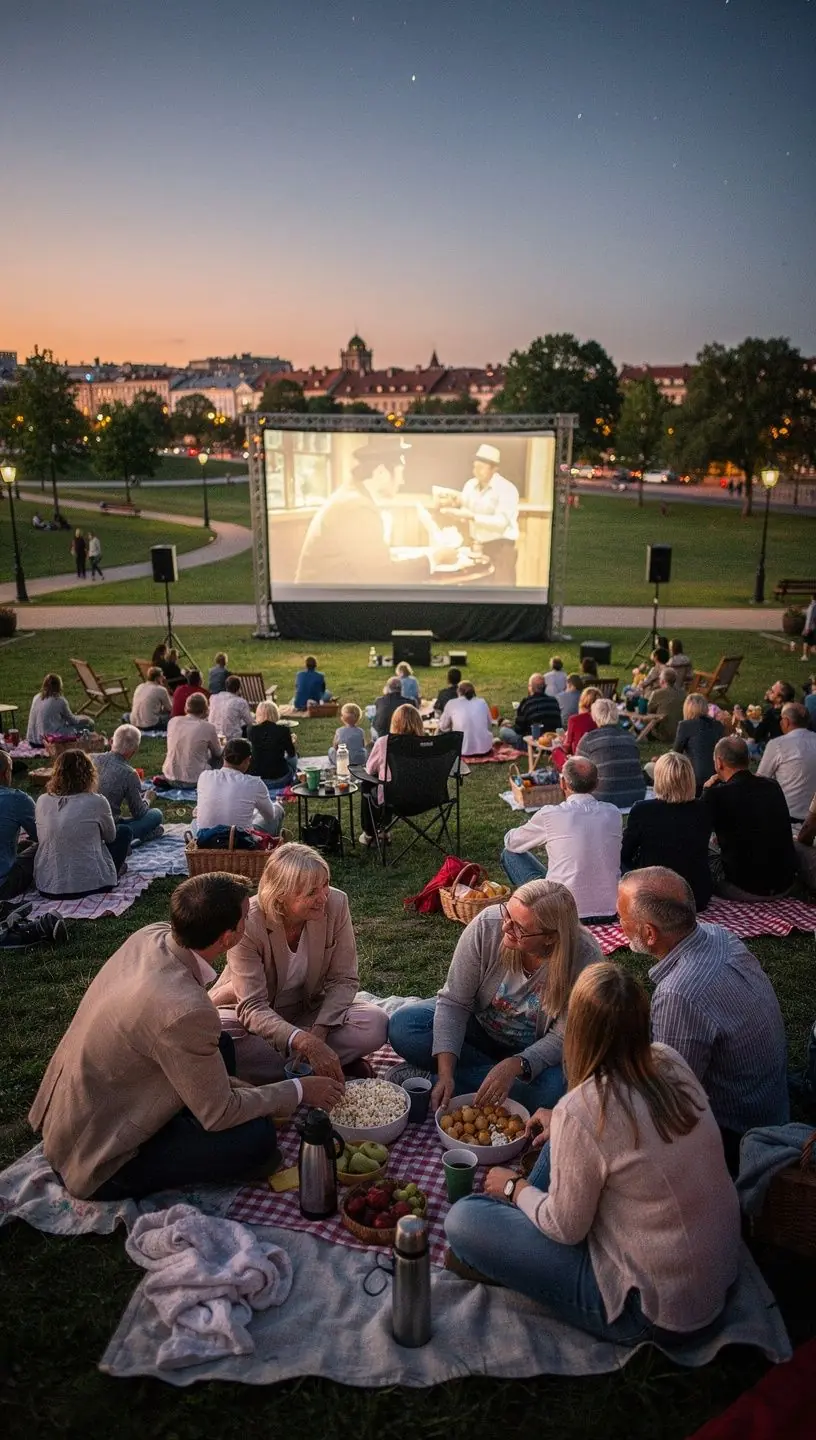
How to Host Educational Workshops Within Events
Hosting educational workshops at events can enhance the overall experience for attendees, particularly when targeting a mature audience. This article explores effective strategies for incorporating educational elements into events, supported by research and expert recommendations.
Understanding the Basics
When planning educational workshops, it's essential to understand the context and objectives. According to studies, events that incorporate educational components can increase attendee engagement by up to 30%. This engagement can lead to higher satisfaction levels and better retention of information. Experts recommend that the workshops should align with the interests of your audience, especially for those aged 40-60, who often seek enriching experiences.

"Educational workshops not only enhance learning but can also foster community connections among attendees." - Event Planning Expert
Identifying Relevant Topics
Choosing the right topics for your workshops is crucial. Here are some steps to help you identify what will resonate with your audience:
- Conduct Surveys: Prior to the event, survey potential attendees to understand their interests and desired topics.
- Analyze Trends: Research current trends in your chelholme.org or industry that may appeal to your demographic. For example, many users report a growing interest in sustainability and wellness.
- Consult Experts: Partner with industry professionals who can provide insights into what educational content is most valuable.
Designing the Workshop Format
Once you've identified the topics, the next step is to design the workshop format. This process typically involves:
- Defining Objectives: Clearly outline what participants should learn by the end of the workshop. Research indicates that well-defined objectives can improve learning outcomes.
- Engaging Methods: Incorporate various teaching methods, such as hands-on activities, discussions, and guest speakers, to appeal to different learning styles.
- Feedback Mechanisms: Implement ways to gather feedback during and after the workshop. This not only helps in improving future sessions but also engages participants actively.
Logistical Considerations
Hosting educational workshops requires careful planning. Here are some logistical elements to consider:
- Venue Selection: Choose a venue that is accessible and conducive to learning. Research shows that a comfortable environment can significantly affect participants' focus and engagement.
- Time Management: Allocate sufficient time for each section of the workshop. Typically, workshops that last between 1.5 to 3 hours allow enough time for in-depth discussion without overwhelming participants.
- Resource Availability: Ensure that all materials and resources are prepared in advance, including handouts, technology, and refreshments.
Measuring Success
After the workshop, it’s important to evaluate its success. Many users report that measuring outcomes against your initial objectives can provide valuable insights. Consider the following:
- Participant Feedback: Analyze responses from surveys to gauge satisfaction and areas for improvement.
- Learning Retention: Follow up with attendees after some time to assess how well they retained the information presented.
- Future Interest: Monitor interest in subsequent workshops to determine if the topic resonated well with the audience.
Conclusion
Incorporating educational workshops into your events can significantly enhance the experience for attendees, especially those aged 40-60 who often appreciate opportunities for learning and engagement. By carefully selecting topics, designing inclusive formats, managing logistics effectively, and measuring success, you can create impactful educational experiences. Remember that the key to successful workshops lies in understanding your audience and providing them with valuable content that meets their needs.
Explore Further