Exploring the History of Local Festivals in Lithuania
Local festivals in Lithuania are vibrant celebrations that reflect the country's rich cultural heritage. Understanding their history can provide valuable insights into community identity and social cohesion.
The Origins of Lithuanian Festivals
Local festivals in Lithuania often have deep-rooted historical origins, dating back to ancient pagan traditions. According to cultural historians, many festivals were originally tied to agricultural practices, marking significant seasonal changes, such as the harvest or solstices. These events were typically communal gatherings that fostered social ties and reinforced cultural identity.
Cultural Significance
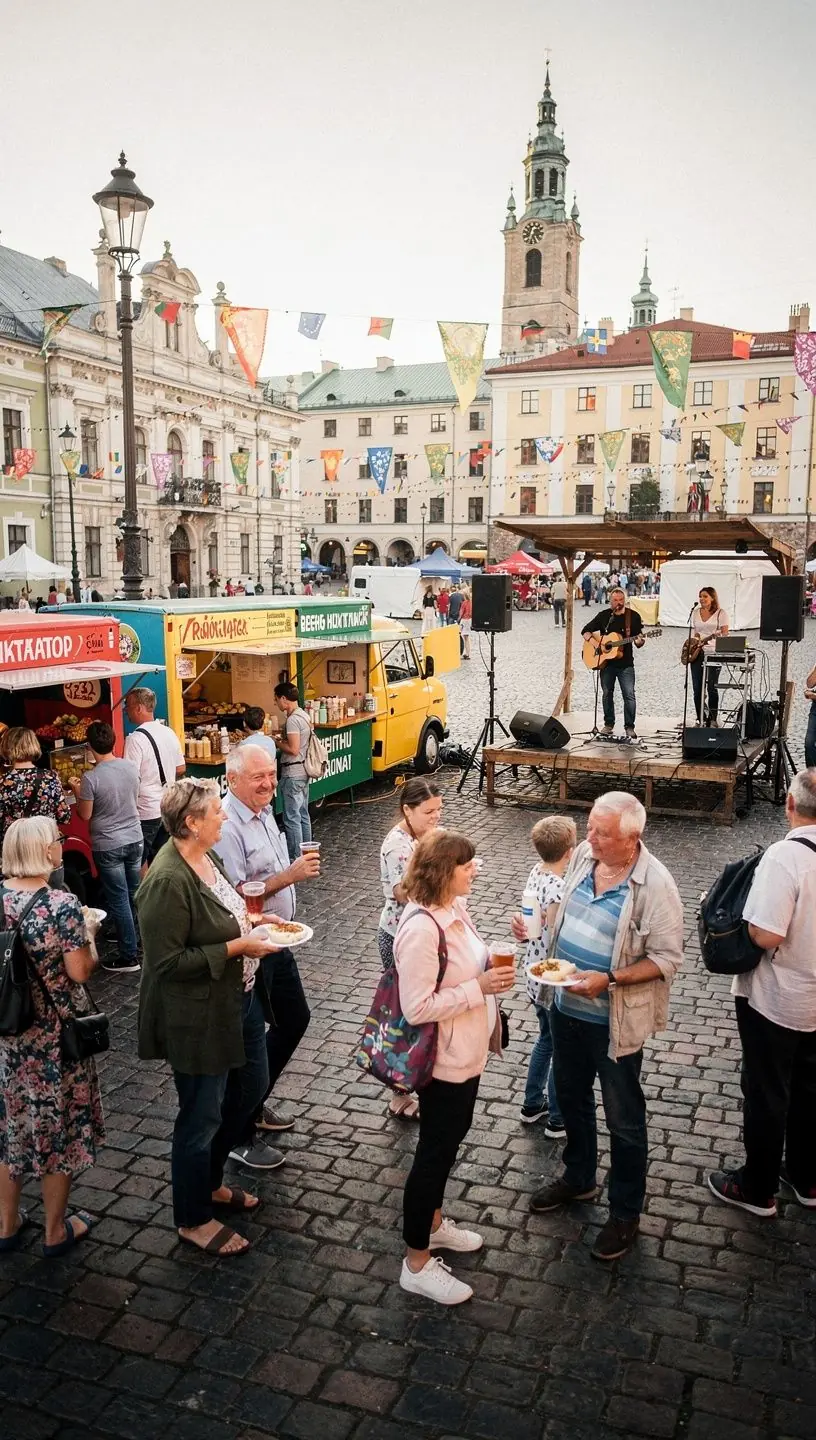
Research indicates that festivals serve multifaceted purposes, including:
- Community Building: Festivals create opportunities for social interaction, helping to strengthen community bonds.
- Cultural Preservation: They act as a platform for showcasing traditional art, music, and cuisine, preserving aspects of Lithuanian heritage.
- Tourism Promotion: Many local festivals attract tourists, which can significantly contribute to the local economy.
"Festivals in Lithuania are not just events; they are essential to our cultural identity and community spirit." - Local Cultural Expert
Evolution of Local Festivals
As Lithuania transitioned from a primarily agrarian society to a modern nation, many festivals have evolved. Industry experts suggest that while the core themes of celebration and community remain, the nature of these festivals has diversified. Today, festivals often incorporate contemporary elements, appealing to younger generations while still honoring traditional practices.
Popular Local Festivals
Some notable festivals in Lithuania include:
- Užgavėnės: A pre-Lenten festival that often includes masquerades and traditional foods.
- Jūratė and Kastytis Festivities: Celebrating the legendary love story of the sea goddess and her mortal lover.
- Kaunas Jazz Festival: An example of how modern music festivals have embraced the local cultural scene.
Conclusion
Understanding the history of local festivals in Lithuania provides insights into the cultural and social dynamics of the region. These festivals not only celebrate heritage but also serve as vital community events that promote unity and pride. As they continue to evolve, they will likely remain a cherished aspect of Lithuanian life, bridging the past with the present.