The Impact of Seasonal Events on Local Culture
Seasonal events have a profound impact on local culture, often shaping community identity and social interactions. Understanding these dynamics is crucial for recognizing how traditions evolve and influence the fabric of society.
Understanding the Basics
Seasonal events, such as festivals, holidays, and local celebrations, typically bring communities together. According to research by the National Endowment for the Arts, events like these can foster a sense of belonging and enhance community pride. Experts often recommend these events as a way to preserve cultural heritage while promoting social cohesion.
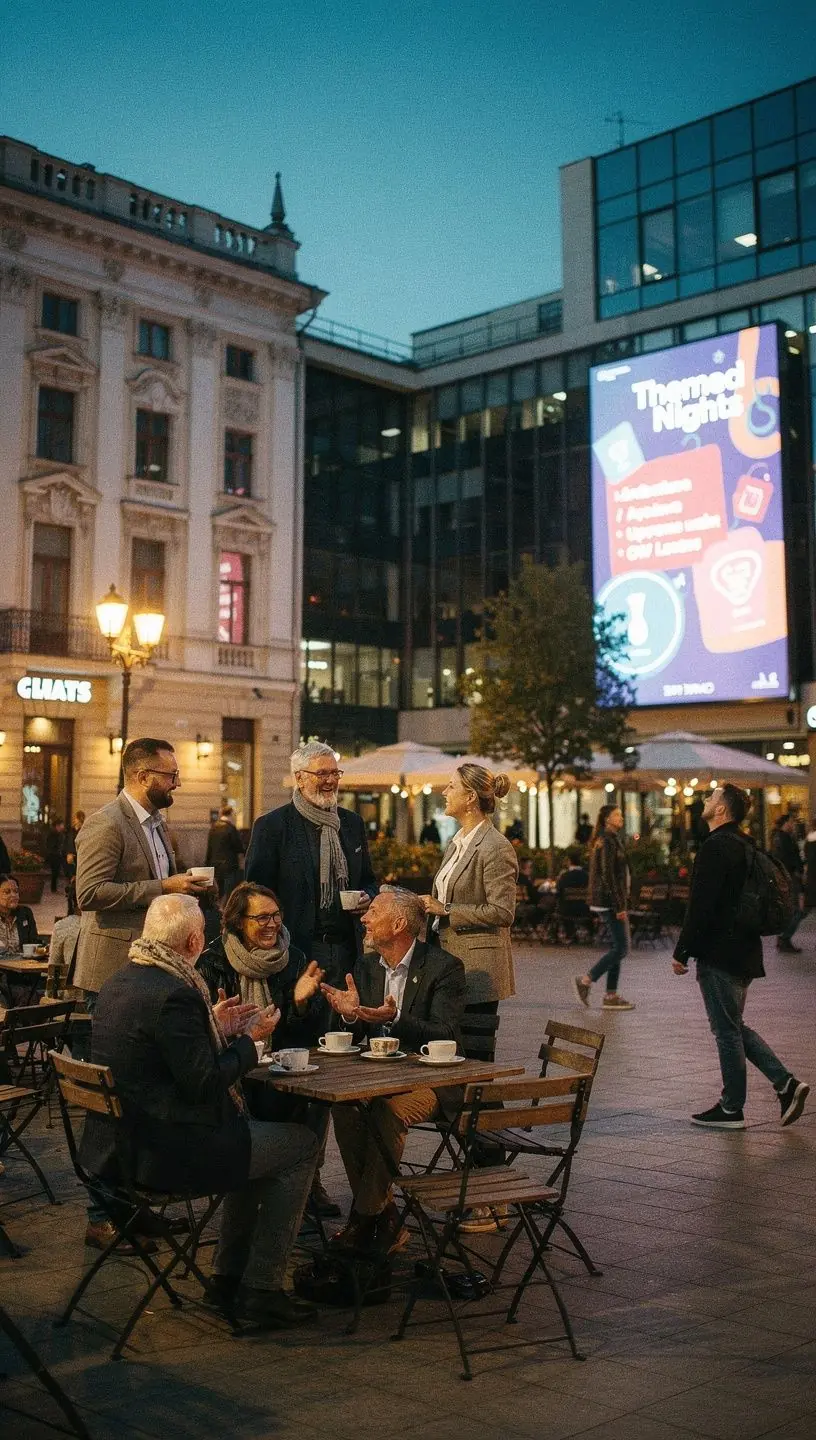
"Seasonal events serve as a vital link between the past and present, helping communities to celebrate their unique cultural identities."
The Role of Seasonal Events in Cultural Identity
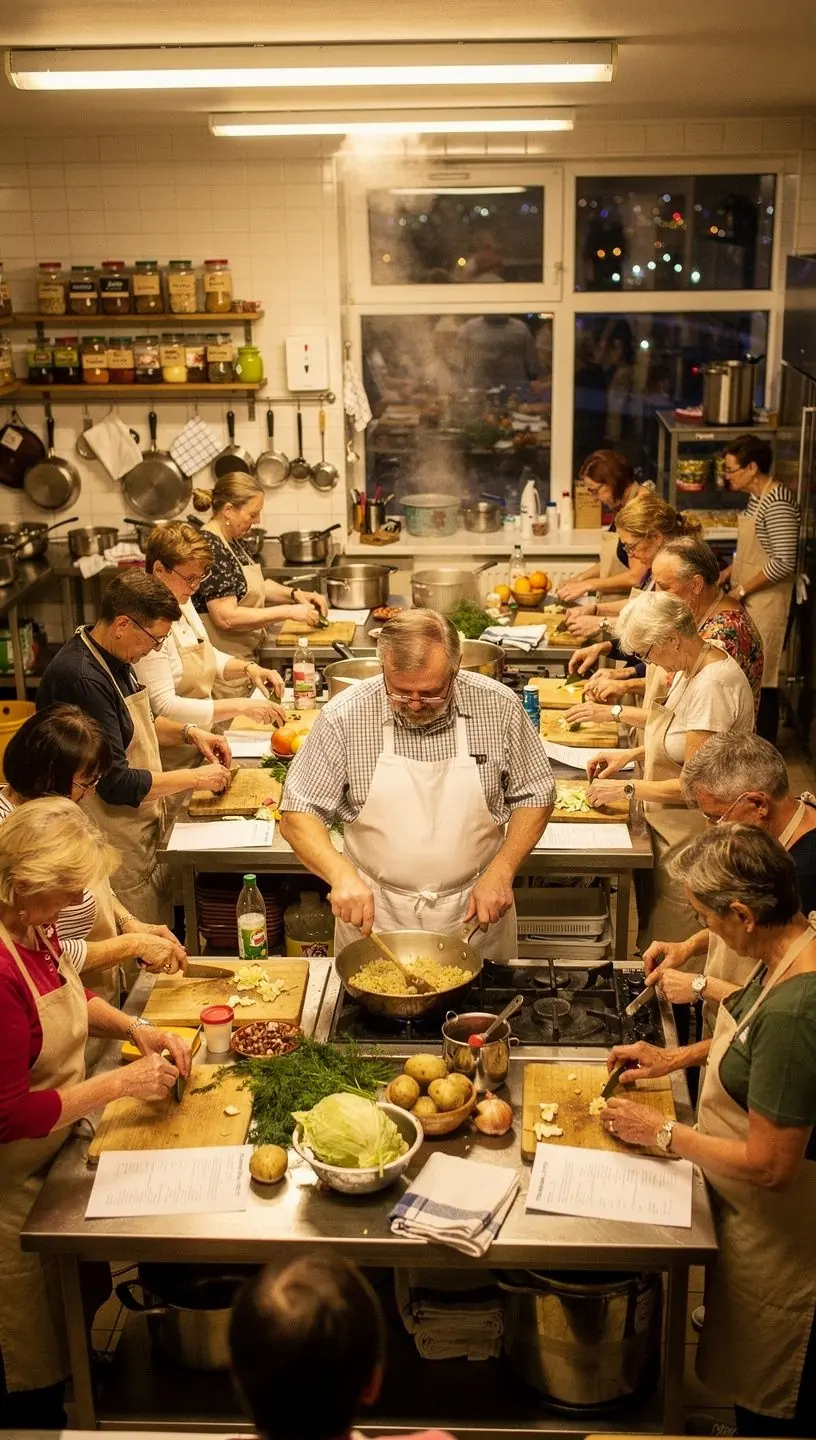
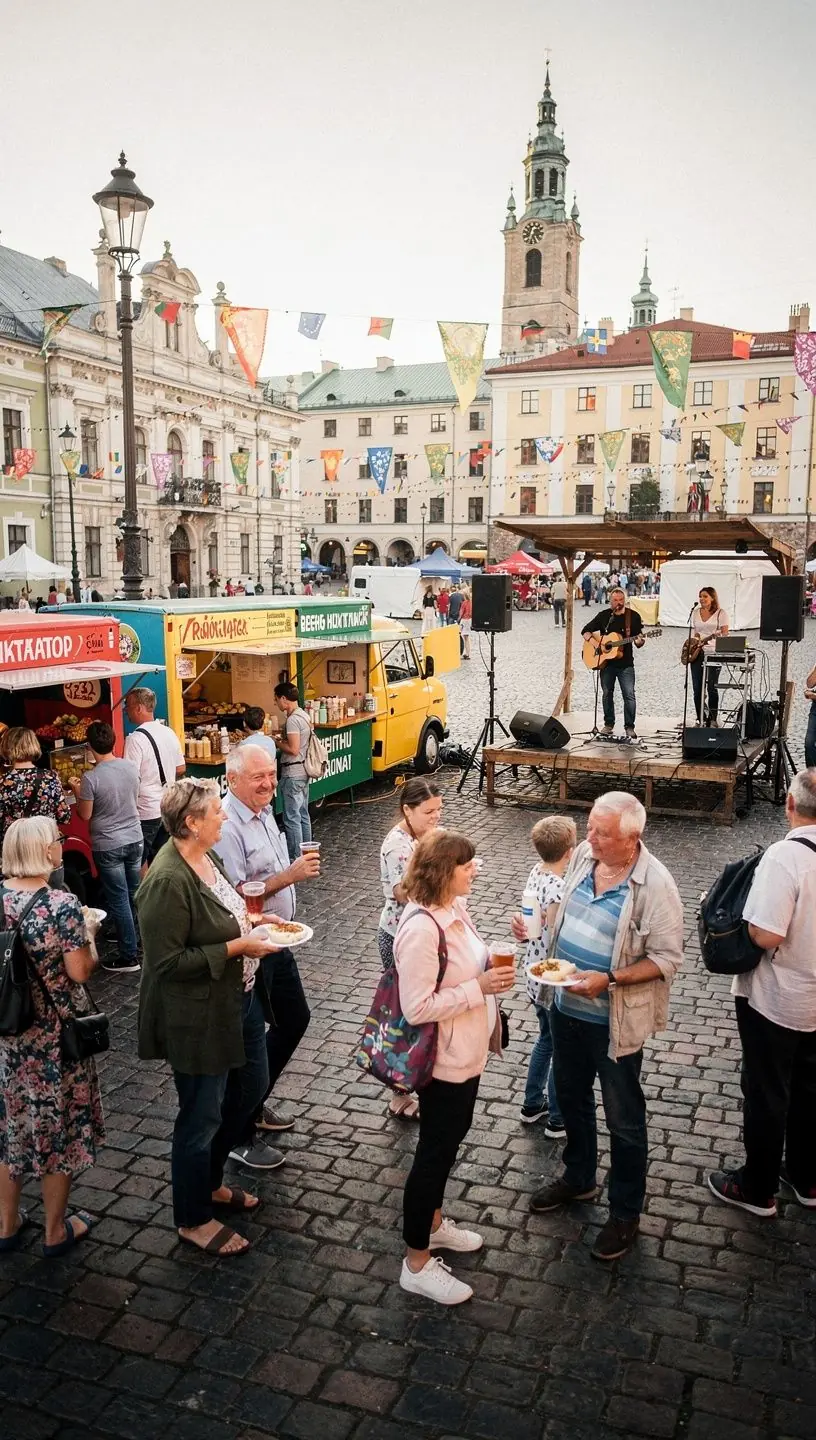
Many users report that participation in seasonal events can strengthen cultural bonds. Local traditions often reflect the history and values of a community, thus enabling individuals to connect more deeply with their roots. For instance, festivals celebrating harvests or religious observances frequently incorporate traditional music, dance, and cuisine, which not only celebrate but also educate participants about their heritage.
Benefits of Seasonal Events
- Social Interaction: These events typically encourage community members to interact, fostering new friendships and reinforcing existing connections.
- Economic Boost: Local businesses often see increased patronage during seasonal events, which can be beneficial for the local economy. Studies show that events can increase foot traffic by up to 30% in comparison to regular days.
- Cultural Preservation: Many seasonal events focus on traditions that might otherwise be forgotten. This helps ensure that future generations retain a connection to their cultural heritage.
Challenges and Limitations
While seasonal events can have many positive effects, they also come with challenges. Organizing an event typically requires substantial planning and resources. Experts suggest that communities need to allocate time for preparation, which can take several months, particularly for larger festivals. Additionally, it's important to consider that not all seasonal events may resonate with every community member, highlighting the need for inclusive planning to ensure diverse representation.
Community Engagement Strategies
- Involve local voices in the planning process to ensure that the event reflects the interests and traditions of all community members.
- Utilize feedback from past events to improve future ones, making sure to adapt to changing community needs.
- Promote events through various channels to reach a wider audience, including social media, local newsletters, and community boards.
Conclusion
In summary, seasonal events play a significant role in shaping local culture and community identity. While they require careful planning and community engagement, the benefits they offer—such as social interaction, economic boosts, and cultural preservation—are invaluable. By prioritizing inclusivity and local traditions, communities can create memorable experiences that resonate across generations.
Explore Further